
Our History
More Than a Century of Art, Creativity and Community
Founded in 1922 as the Akron Art Institute, the Akron Art Museum has grown from a small community arts organization into one of Northeast Ohio’s leading cultural institutions. Today, the Museum is known for its collection of modern and contemporary art, distinctive architecture and commitment to connecting people through art.
The Museum’s story reflects more than a century of artistic discovery, civic leadership and community investment in downtown Akron.
A Vision for Akron: 1922
As Akron grew into a center of American industry, civic leaders recognized that a thriving city also needed a vibrant cultural life.
Among those leaders was Edwin Coupland Shaw, a B.F. Goodrich executive, philanthropist and art collector who helped establish the Akron Art Institute. His commitment to the arts, along with the efforts of local artists and community leaders, helped lay the foundation for the Museum. Shaw’s collection would eventually become an important part of its holdings.
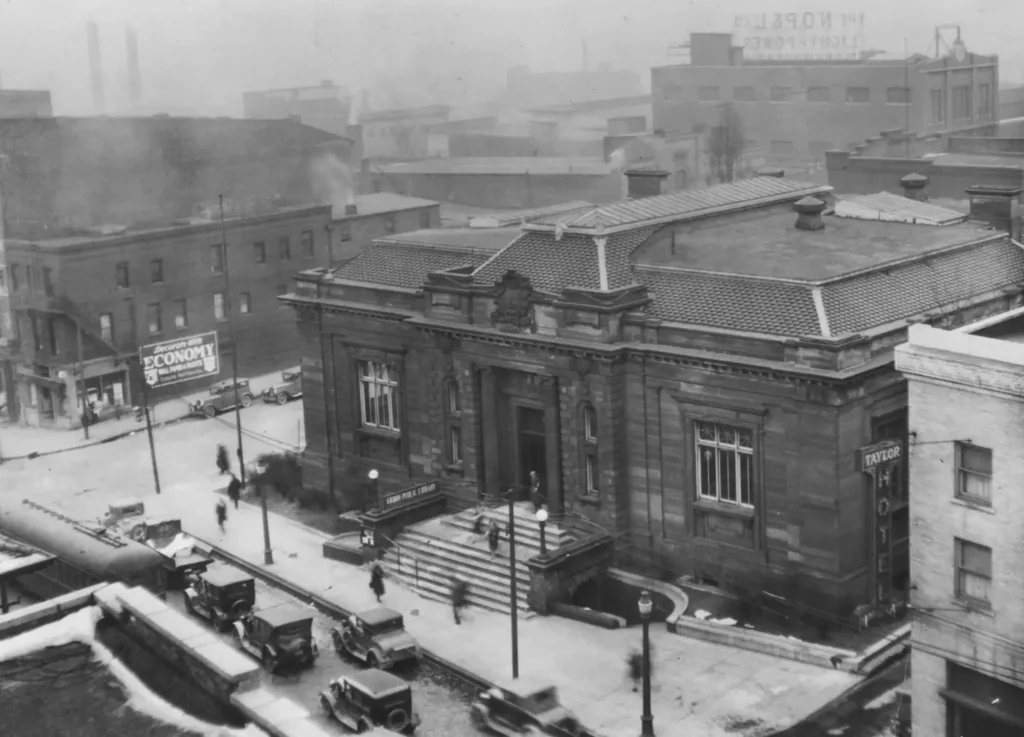
The Institute officially opened on February 1, 1922, occupying two rooms on the ground floor of the Akron Public Library at 69 East Market Street. These modest quarters served as exhibition and instructional space, providing opportunities for residents to experience and create art.
The Museum’s early history also reflects the involvement of prominent Akron families, including Gertrude Seiberling, wife of Goodyear Tire & Rubber Company co-founder F.A. Seiberling. An accomplished artist and passionate advocate for arts and culture, Gertrude was a member of the Akron Art Institute, a founding member of Akron’s Women’s Art League and founder of the Akron Garden Club. The Institute presented a solo exhibition of her paintings in 1938 and a posthumous exhibition in 1946. Her involvement reflects the strong connection between Akron’s industrial growth and the development of its cultural institutions.
Finding a Home and an Identity: 1922–1974
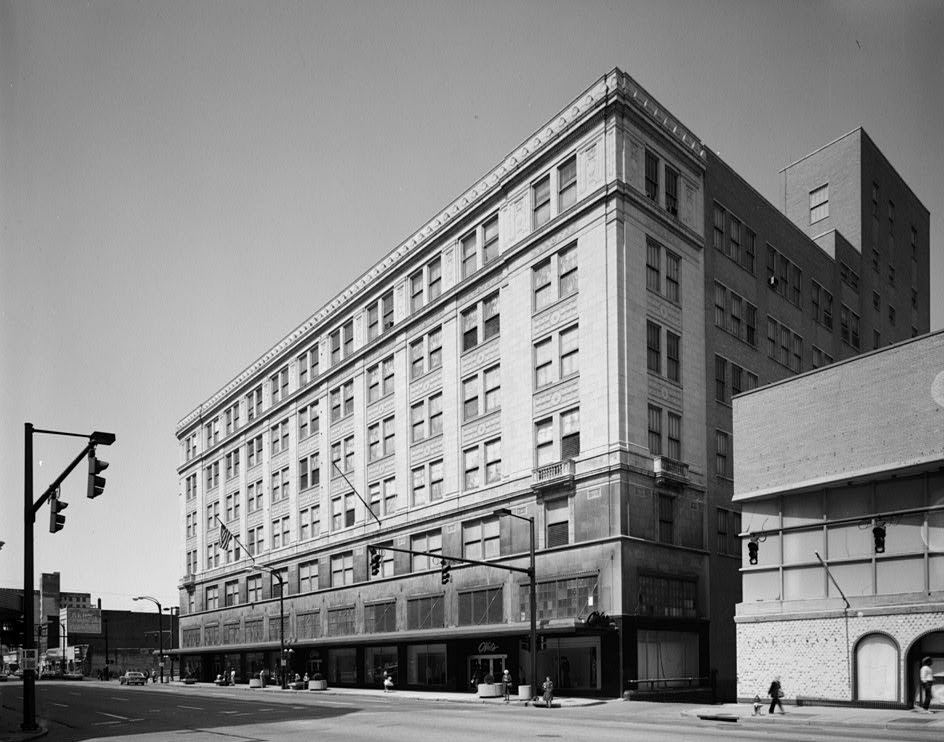
During its first decades, the Museum moved several times as its exhibitions, educational programs and community involvement grew. After occupying space in the M. O’Neil department store and other temporary locations, the Institute acquired the Commins Homestead at 135 Fir Hill in 1937.
The historic mansion became the Museum’s first home of its own, providing dedicated space for exhibitions and educational programming. The move represented an important step toward establishing the Institute as a permanent cultural institution in Akron.
Tragically, a fire in 1941 destroyed the mansion, along with much of the Museum’s collection and furnishings. Despite the loss, the Institute continued its mission, returning to temporary quarters before establishing a permanent home in the former Akron Public Library building at 69 East Market Street in 1950, the same location where its story began.
Education remained central to the Museum’s mission. From 1958 to 1965, the Institute operated a professional School of Design before the University of Akron expanded its own art programs.
A defining moment came in 1974 when the Board of Trustees established a new direction focused on modern and contemporary art. That decision shaped the Museum’s identity and helped build a collection recognized for its strengths in American painting, sculpture and photography.
A Historic Landmark Reimagined: 1981
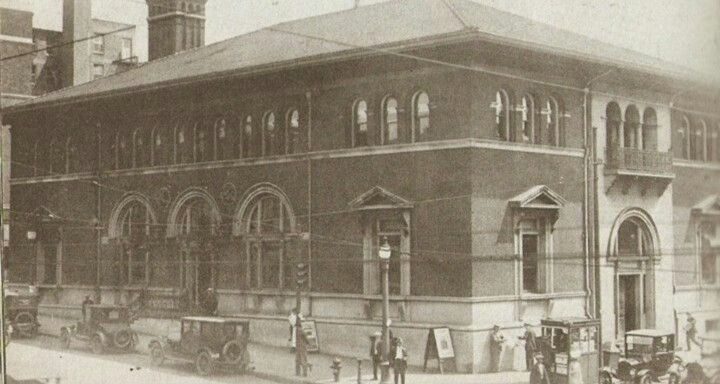
In September 1981, the Museum opened a new chapter in one of Akron’s most recognizable historic buildings.
Originally constructed in 1899 as the city’s main post office, the Italian Renaissance Revival building at 70 East Market Street was transformed into a home for art under the direction of Cleveland architect Peter van Dijk. Its historic architecture was preserved while new galleries and public spaces gave the growing Museum room to thrive.
The move followed a successful $5 million capital campaign and the adoption of a new name in 1980: the Akron Art Museum.

A Bold Architectural Statement: 2007
In July 2007, the Museum unveiled a dramatic expansion designed by the internationally acclaimed Austrian architectural firm Coop Himmelb(l)au, led by principal architect Wolf D. Prix.
The John S. and James L. Knight Building marked the firm’s first public building in the United States and introduced striking glass, steel and aluminum architecture alongside the Museum’s historic brick building.
With its soaring Roof Cloud, light-filled Crystal Lobby and expansive galleries, the approximately 63,000-square-foot addition transformed the Museum’s presence in downtown Akron.
The expansion significantly increased exhibition space and created new opportunities for education, performances, special events and community gatherings. Its distinctive design also established the Museum as an internationally recognized architectural destination.
Art Beyond the Museum Walls: 2016
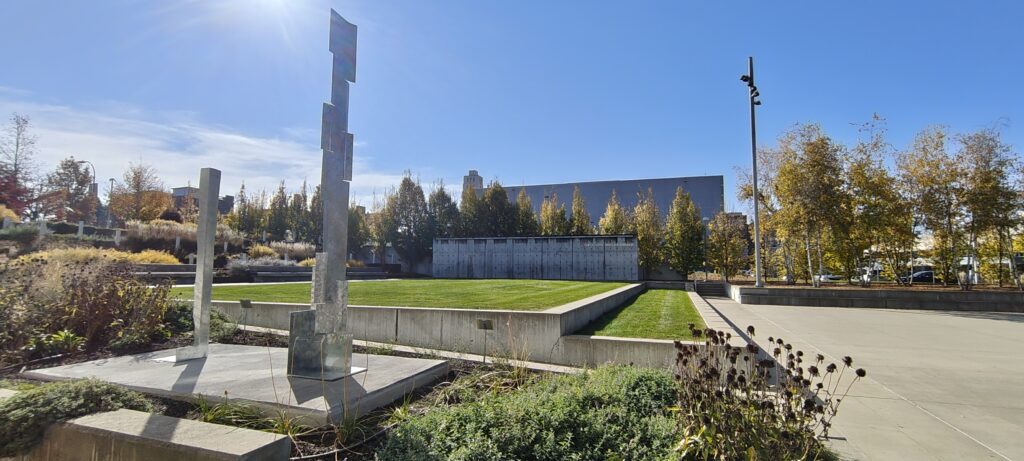
The Museum’s campus expanded again in July 2016 with the opening of the Bud and Susie Rogers Garden, a landscaped public space that transformed a former surface parking lot into a welcoming destination for art, nature and community.
Designed by the internationally recognized landscape architecture firm OLIN, the garden features terraced spaces, winding pathways, an open lawn and plantings inspired by Northeast Ohio’s natural landscape, including the Cuyahoga Valley.
The garden provides opportunities for outdoor exhibitions, performances, educational programs and community gatherings while offering visitors a place to relax and explore in the heart of downtown Akron. The project received national and regional recognition for its landscape design, including a 2018 Merit Award from the American Society of Landscape Architects’ Pennsylvania-Delaware Chapter.
More than an extension of the Museum’s physical campus, the garden represents its commitment to bringing art into public spaces and making the Museum a welcoming part of everyday life in Akron.
Creating the Future: 2026
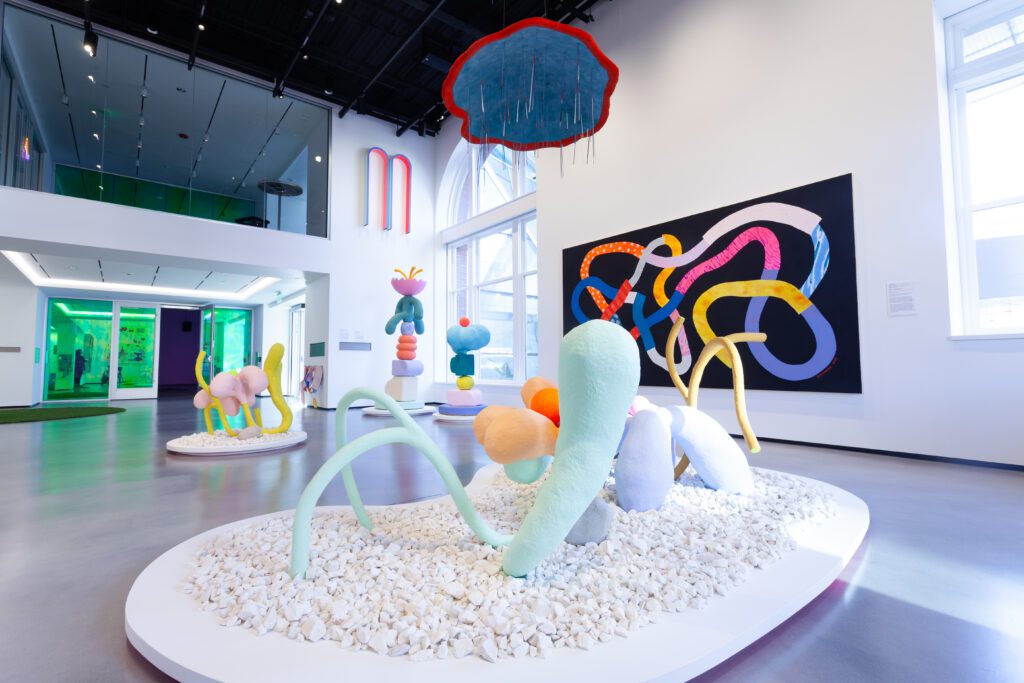
In September 2026, the Akron Art Museum completed a $12.5 million renovation of its historic 1899 Building, the most significant transformation of its downtown campus since the 2007 expansion.
Completed as part of the Museum’s Create the Future Centennial Campaign, the project preserved the character of the historic building while adding 2,152 square feet of gallery space, a dedicated classroom, improved accessibility and visitor amenities, and new capabilities for digital and time-based art.
The renovation also introduced the J.M. Smucker Co. Idea Machine, a two-story interactive space designed for visitors of all ages to explore, experiment and create.
The building reopened to the community on September 24, 2026, as the John S. and James L. Knight Foundation Building, recognizing the Foundation’s longstanding investment in the Museum and downtown Akron.
Our Story Continues
From its beginnings in the Akron Public Library to its expanded downtown campus, the Akron Art Museum has been shaped by generations of artists, educators, philanthropists and community members.
Today, the Museum brings together more than 7,000 works of art, historic and contemporary architecture, creative learning spaces and a welcoming public garden, continuing a legacy that began more than a century ago.
Our history is still being written. We invite you to be part of what comes next.