Exhibition Category: Upcoming
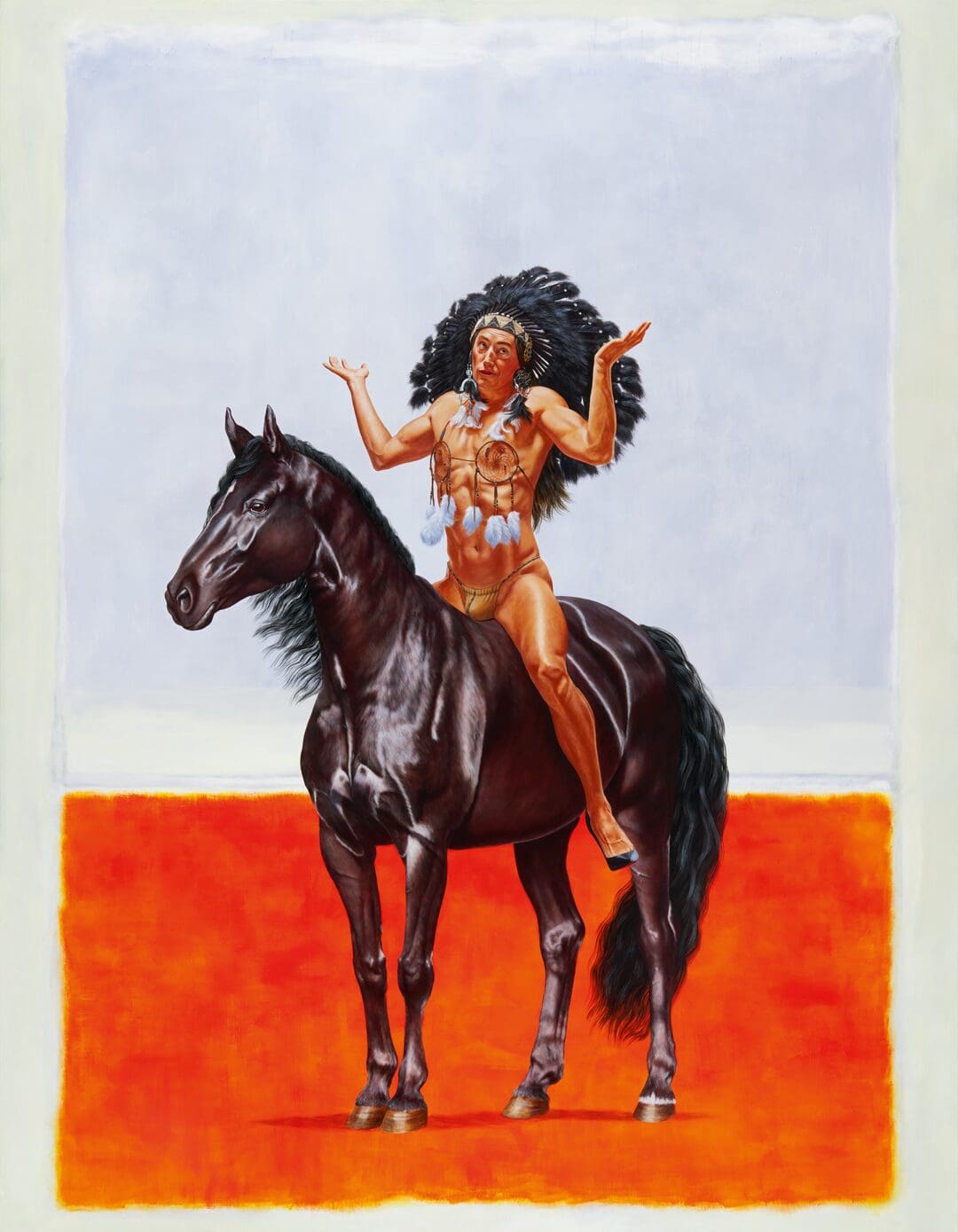
Kent Monkman: History is Painted by the Victors
Immerse yourself in the captivating world of Kent Monkman through iconic and monumental paintings by this major artist and member of ocêkwi sîpiy (Fisher River Cree Nation). Through his subversive lens, he revisits history painting to challenge colonial narratives and offer new perspectives on the past and present.
Transfiguration: Rachel Libeskind and the Tiffany Window
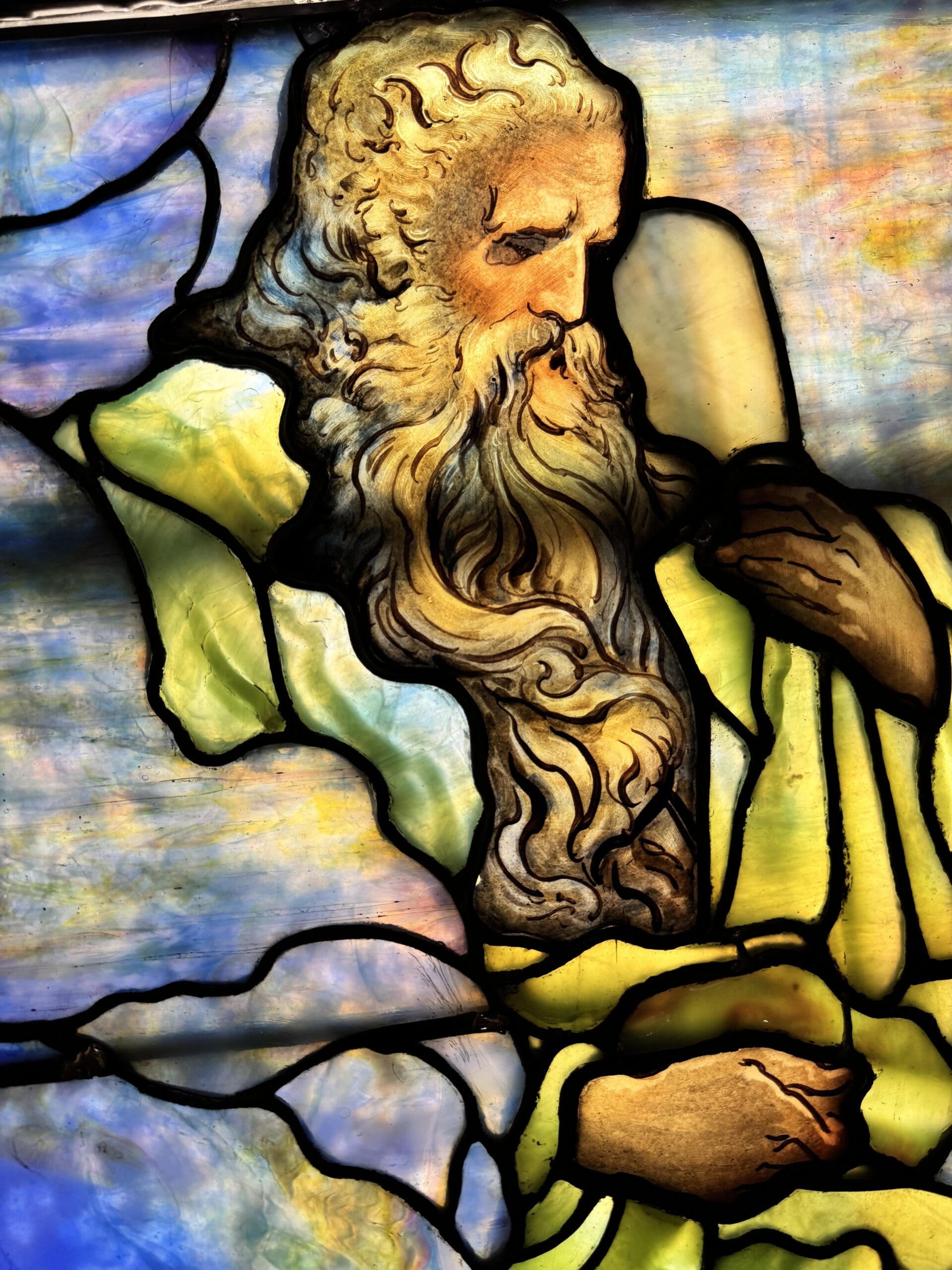
Transfiguration: Rachel Libeskind and the Tiffany Window is an exhibition offering audiences a rare opportunity to experience a restored historic Tiffany stained glass window depicting the Transfiguration of Christ, alongside new work by contemporary artist Rachel Libeskind, created specifically for the occasion. Together, the window and Libeskind’s response to it explore how the unimaginable and unseen are depicted across religious iconography, early cinema, and natural transformation.
Jess T. Dugan: I want you to know my story
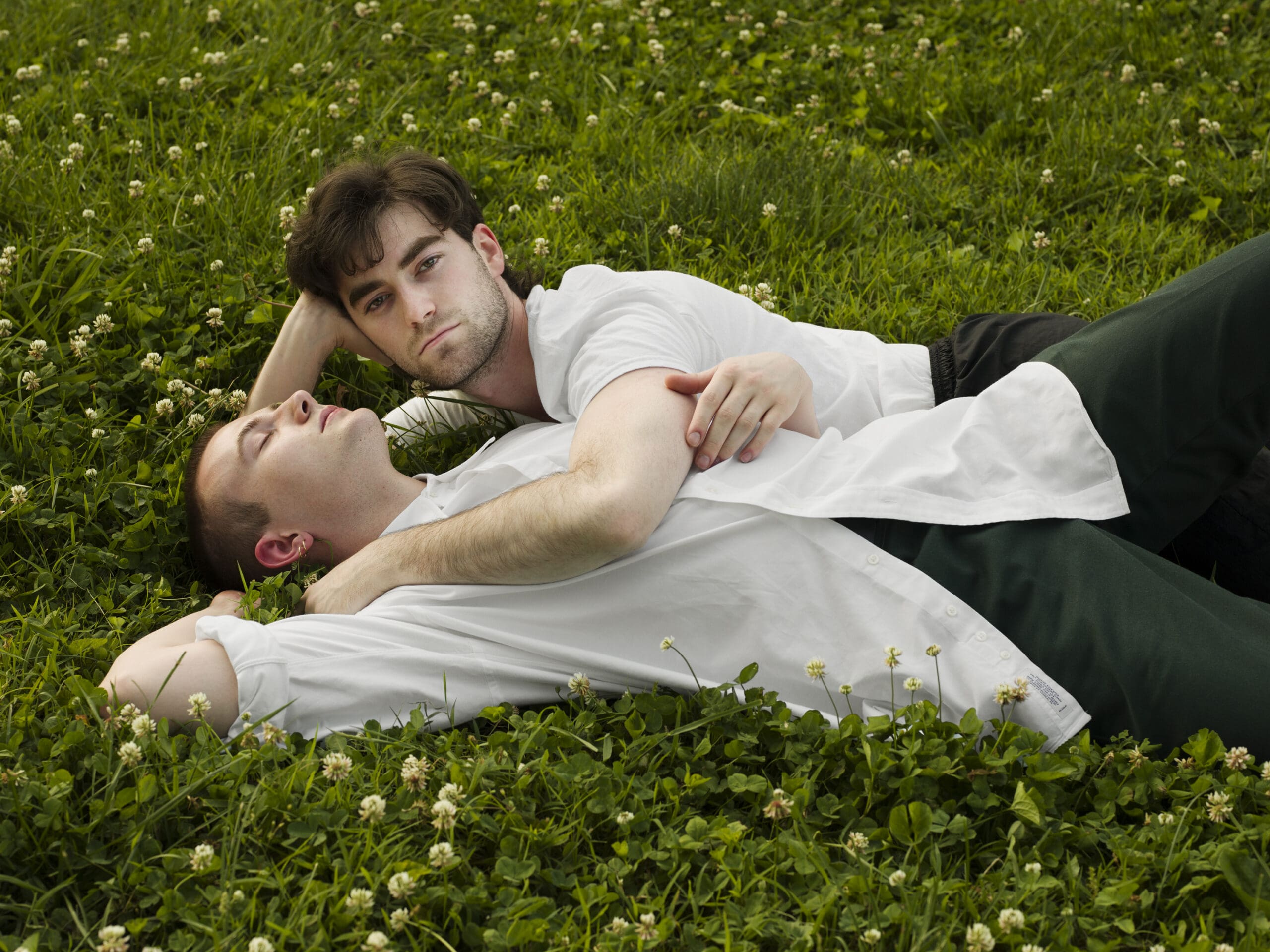
Jess T. Dugan (born 1986, Biloxi, Mississippi; lives St. Louis, Missouri) creates photographic portraiture and self-portraiture with technical skill and forthright personal engagement, exploring kinship, community, and identity. Dugan embraces natural light, slow working methods, and collaboration with their subjects to create images that capture both individual personality and universal humanity. Drawing from their own experiences as a queer and nonbinary person, Dugan also works to advance the visual representation of queer people. The artist summarizes their entire creative approach this way: “For me, it’s all about energy and love.”
Myrlande Constant: DRAPO
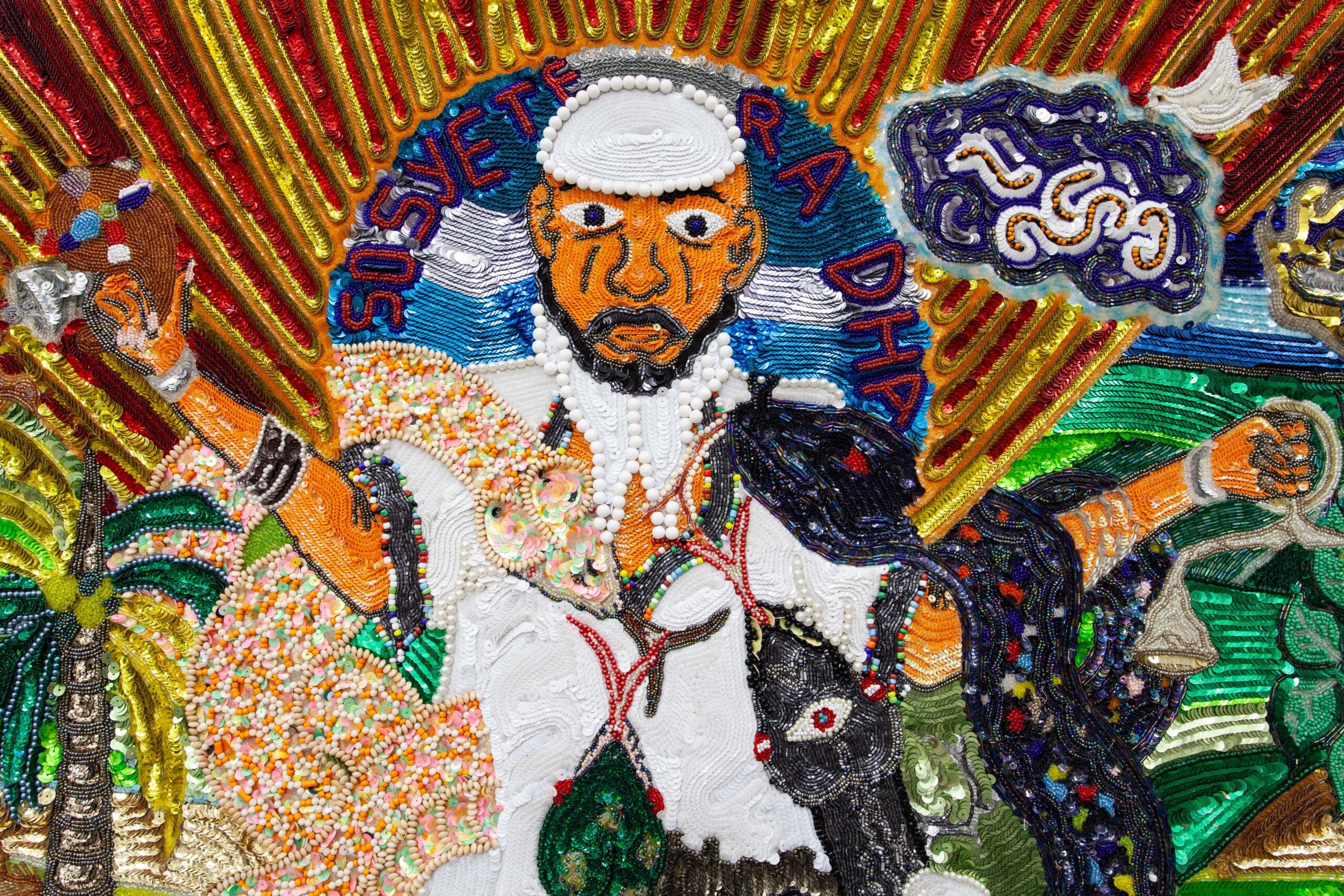
Myrlande Constant: DRAPO brings ten large flags together in a single space, providing a stunning abundance of intricate craft, as well as a broader sense of Vodou and its dense mixture of West African, Central African, and Catholic religions. Through these sources and their understanding of many spirits, Vodou practitioners bring together love, inspiration, nature, and Haitian history and pride. Constant skillfully and impressively weaves all of this into her art.
Ordinary Miracles: Robert Glenn Ketchum’s Photographs of Cuyahoga Valley National Park
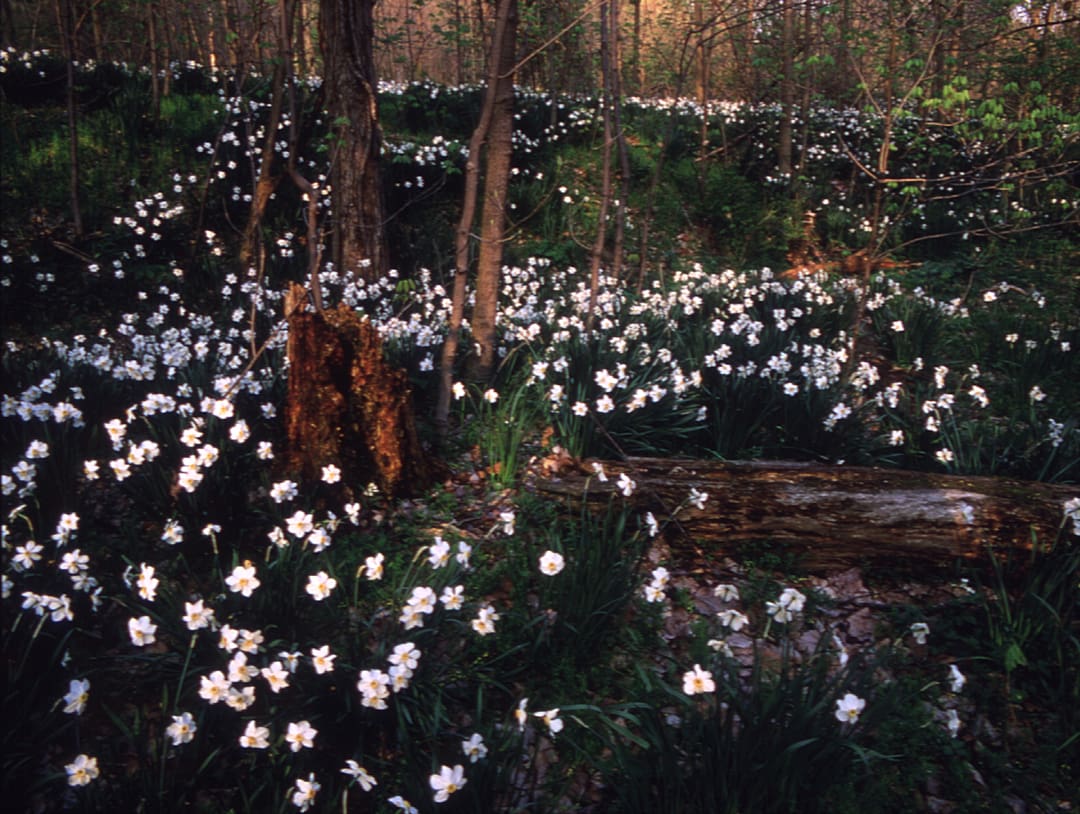
A fan favorite of the Akron Art Museum collection, Robert Glenn Ketchum’s photographs have been displayed frequently over the years in smaller groupings, but Ordinary Miracles: Robert Glenn Ketchum’s Photographs of Cuyahoga Valley National Park will be the first solo exhibition of the artist’s work at AAM since the late 1980s. From 1986–1988, Ketchum documented what was then known as Cuyahoga Valley National Recreation Area (CVNRA) and is now Cuyahoga Valley National Park (CVNP). Ketchum aimed to make each of his CVNRA images a metaphor for larger themes behind the park’s existence, stating “To draw my readers into these pictures, and prevent the images from seeming specifically regional, I have attempted to create a new, more generic kind of photograph: an icon of the landscape, not a specific and documentary description. It is my intent that these pictures also sustain the idea of the Cuyahoga as a national metaphor, so the photographs have been made with the hope they will have a ‘universal’ sense about them.”
Alfred McMoore: All This Luck in My Head
In September, the Akron Art Museum will open the first solo museum exhibition for artist Alfred McMoore. McMoore (1950–2009) lived and worked his entire life in Akron, creating enormous drawings that depict many of the people he encountered. Diagnosed with schizophrenia, McMoore turned to art as a daily practice of expression and connection. He drew in pencil on scrolls of paper that were five feet high and up to fifty feet long. Because of their monumental size, these works have rarely been displayed publicly.
McMoore’s unique presence in Akron’s cultural landscape inspired the name of the renowned band. Dan Auerbach has shared that McMoore would often leave voicemails saying, “This is Alfred McMoore. Your black key is taking too long”—a phrase believed to signify that something was off-center or not quite right.
![Alfred McMoore. Untitled [Funeral Scene], mid 1990s. Graphite on roll paper. 60 x 540 in. (152.4 x 1371.6 cm). Collection of the Akron Art Museum. Gift of Charles Auerbach, 1995.5](https://akronartmuseum.org/wp-content/uploads/2025/04/1970.50_Detail6-scaled.jpg)
Petah Coyne’s Untitled #1383 (Sisters – Two Trees)
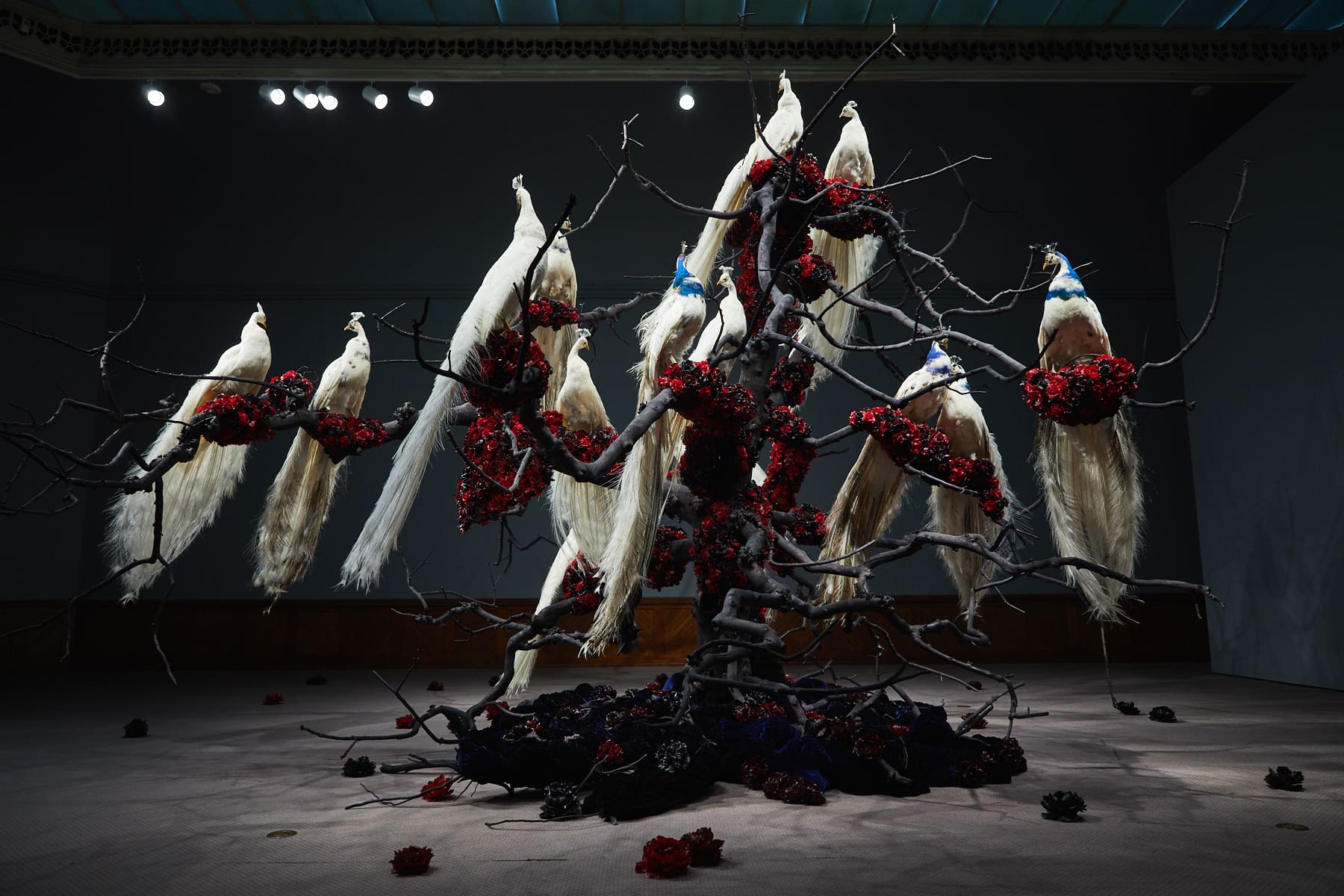
Untitled #1383 (Sisters –Two Trees) looks like only one tree, but it was actually created from the trunks and limbs of two apple trees that were due to be removed from an orchard after reaching the end of their productive life spans. The pair were growing next to each other, and when the artist harvested them their roots were so intertwined that they felt like sisters trying to cling together. Although now living in New York, the artist spent some formative time in Ohio, and has stated that her trees are conceptually tied to the landscape in Ohio and the annual lifecycle of trees here.
She Said, She Said: Contemporary Women Artists
Beginning with its title, She Said, She Said: Contemporary Women Artists presents a positive and energetic opportunity to assess the many valuable contributions that women have made to contemporary art. The exhibition’s name is a play on the conventional expression “he said, she said,” which suggests that when a man and a woman disagree, one can only give up on coming to a settled conclusion. The familiar phrase suggests stasis—an inability to move forward on matters ranging from sexual violence to equal pay and political representation, despite the forceful accounts and opinions that women put forward.
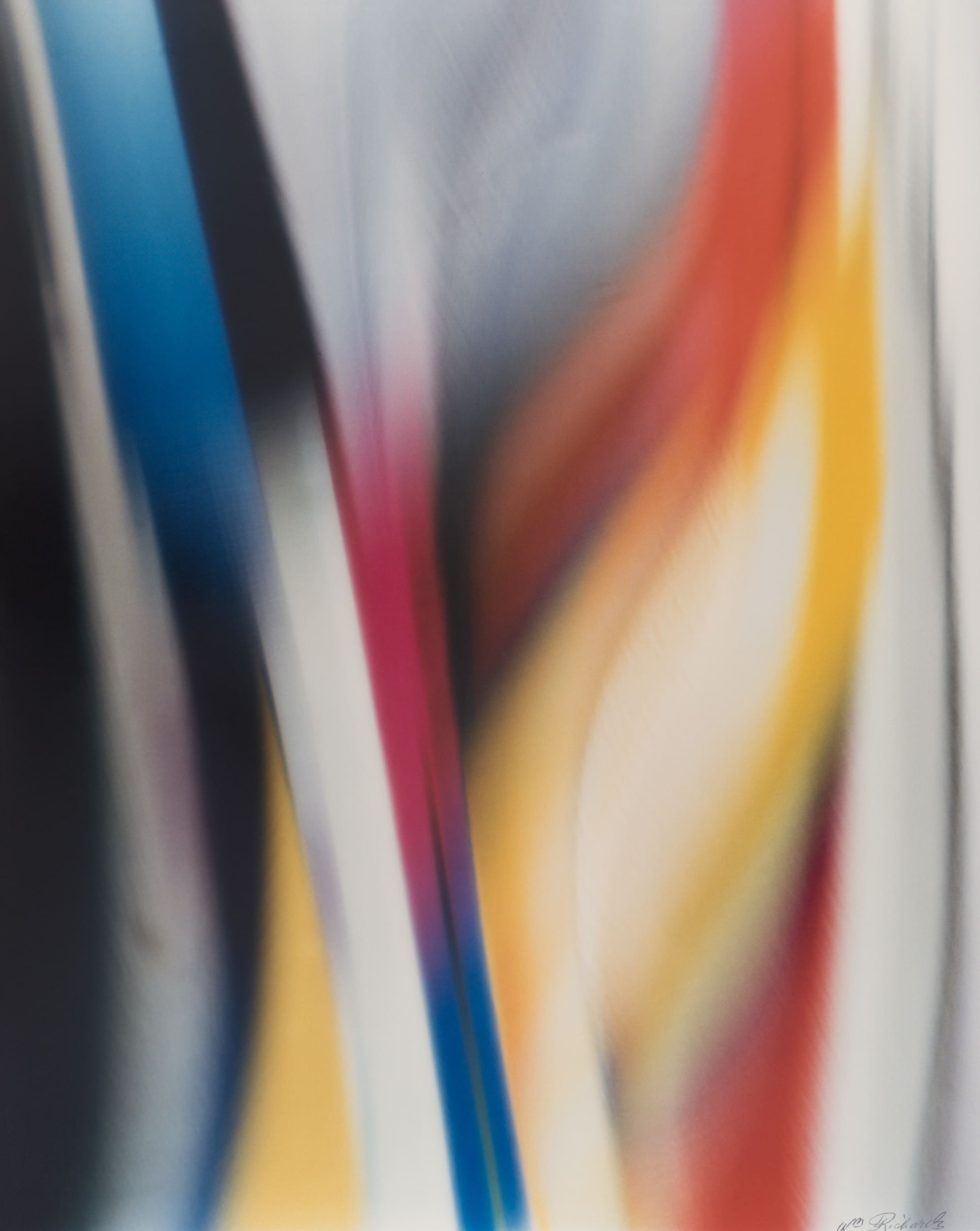
William Richards: The Vastness Beyond Vision
William Richards (1917–2004) created dazzling arrays of abstract photographs, though his highly successful career was predominantly commercial rather than artistic. Richards learned photography and industrial design as a young student in New York City. After serving in World War II and moving to Cleveland, Ohio in the late 1940s, he founded Richards Studios as a firm specializing in advertising and visual communications. Through his work, he became one of the first adopters of color photography, which he used to create imagery that introduced consumers to other new technologies in manufacturing, transportation, electronics, and more.
Oliver Jeffers: 15 Years of Picturing Books
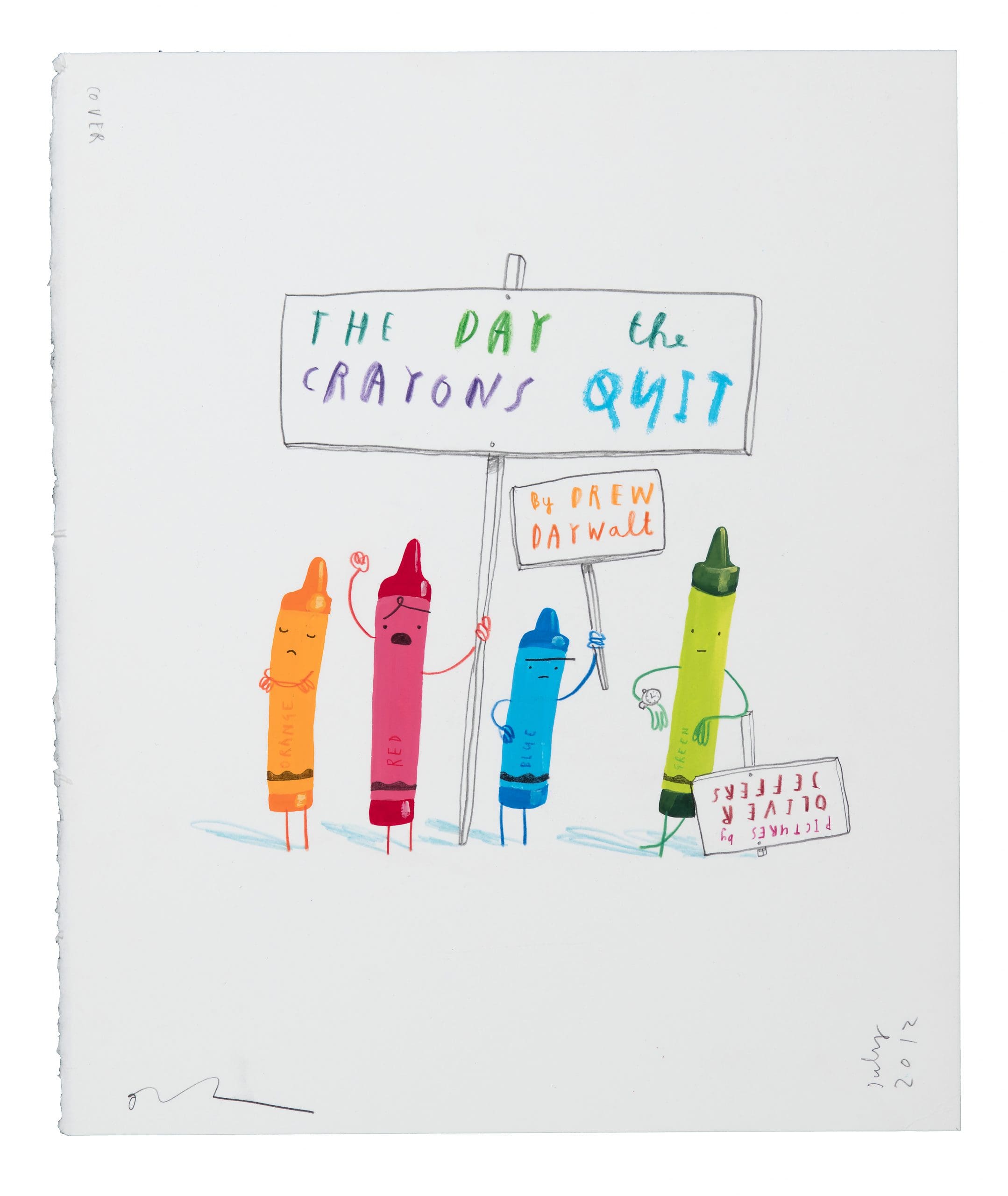
What if crayons refused to color? Can you know everything about the Earth? What’s the best way to get a kite out of a tree? All these questions can be answered through the pictures and books of artist, author, and illustrator Oliver Jeffers. In Oliver Jeffers: 15 Years of Picturing Books, visitors will encounter original artworks from Jeffers’s beloved titles: The Day the Crayons Quit, Stuck, Here We Are, and more.